Showing posts with label Classical Conversations. Show all posts

Tuesday, December 24, 2013

Building a Model of Stonehenge: Materials, Sand Dough Recipe, and Construction

After our prototype, we gathered our materials.

We used sand dough to make our model, but it can be used for so many more things. What about a Colosseum? Or models of famous sculptures? Perhaps your child will make his own sculpture! So many possibilities!

After we gathered our materials, we set to work building our model!


We used: 

Several diagrams of Stonehenge
(1) large sheet of plywood for a mobile working area
(1) sheet of poster board as a base for the model
(1) can green spray paint (grass)
(1) batch of sand dough
(2) cookie sheets
(1) white glue
(2) hot glue set-up

SAND DOUGH 
8 cups all-purpose flour (Allergen note: this was before we eliminated gluten. Even though we obviously don't eat this, some children may have issues with using wheat flour in crafts.I have not tried it with GF flour) 3 cups water
14 cups sand
1/4 cup white glue (just take the top off and dump a huge gloop in)
Honker squirt of black paint (this makes it look like stone)
Mix with hands in a huge bowl


As you can see in the picture, we mixed all this up on the front porch—a goooood idea! The children then formed sarsen stones, trilathons, lintels, etc. We placed them on a cookie sheet and baked them in the oven on low until they were dryish. Because there is paint in the sand dough, we did not have to paint them when they were finished.

My eldest spray painted the posterboard green, and then we followed a diagram to lay out the basic design of stonehenge. You need to decide if you will build it how it stands today or how archaeologists think it used to look. We went with how they think it used to look.

For the most part, we were able to use white glue to secure everything. For the parts that were kept falling apart or required more tackiness, I used hot glue (be careful with that!). Once all the pieces were ready, and supplies in order, and the hot glue gun warmed up, the model went together quickly.


PROTOTYPE


YouTube Connections: Stonehenge
Building a Model of Stonehenge: Prototype

In our ancient cultures unit study, we learned about Stonehenge. We read books, watched YouTube videos, and built a model of Stonehenge.

For the prototype, I mixed up a recipe of date fudge, and we shaped them into triathlons and lintels and blue stones.

This helped the children learn the basic shapes involved in the structure.

And then ate them. Yum!

Afterwards, we gathered our materials and made our model!

DATE FUDGE 
1 cup peanuts
1 1/3 cup dates
1/4 cup cocoa powder
3/16 tsp salt (1/8 + 1/2 of 1/8)  
 Mix in a food processor

MODEL CONSTRUCTION

YOUTUBE CONNECTION: STONEHENGE


Sunday, December 22, 2013

Cave Painting Activity

Chauvet!
We study ancient history during Cycle 1 of Classical Conversations. For a few weeks prior to the start of classes, I teach a unit on pre-history. One of our activities is making cave paintings.

The activity is very simple. Crumple paper bags to make the walls and then paint. Easy, inexpensive, and fun. What could be better than that??


Friday, December 20, 2013

Handwriting Worksheet Generator

On Tuesdays, my children review their memory work for the week by writing it out. My younger children and those who need to work on their penmanship skills use worksheets that have the information written out for them to trace. I produce these worksheets at a website where I can choose the penmanship style, enter the text, choose the size, and print them out. It's very handy.

Don't click on the HUGE advertising buttons. You don't need to download anything. Just scroll down to the pictures of the paper and hands and choose a writing style.

CLICK HERE!


Friday, November 22, 2013

CC Cycle 2: Geography Mnemonic Videos

We've been working on CC Cycle 2, Weeks 1-12 Geography today. We were a bit behind, so everyone was working together. We watched these videos. The first two are made by a teacher who uses mnemonics to teach country identification. The last is a quick flick singing the about the European rivers.

European Geography Mnemonics  
 Central American Geography Mnemonics
   
 European Rivers

CC Cycle 2: Geography Review Printables (Weeks 4, 6, & 7), with Mnemonics

It's about time to review these first 12 weeks of Cycle 2. My children and I sat down today to study Geography.


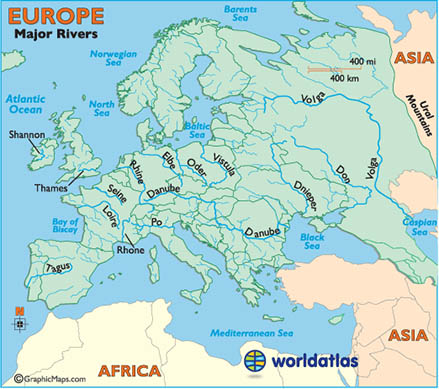
Week 4 covers major European rivers. This is how we learned them. 

1) Starting on the west. Seine, Rhine, Elbe. SRE. Sam runs everywhere.
2) Po. This adds more information to our story about Italy. Adrian (sounds like Adriatic Sea) likes Italian food. He checks his P.O. Box (Po River) everyday and hands out with Aponine (as in the Peninsula). Yeah, it's random. It works, though.
3) Danube. Mucho singingo. The Danube dances (to the waltz) allllll the way across Europe. 
4. The VolGA (say it like that. VolGAH!) is in RussIA (RuSHA!)


Then we discussed the various Peninsulas (week 7):

1) Iberian peninsula. Bear with me. Portgal looks like a can of beer (root beer, right? or butterbeer?).
2) Balkan peninsula. The Balkan peninsula is Bulky and at the Bottom of Europe.
3) Scandinavian peninsula. The Scandinavian peninsula is where Sweden is.
4) Apennine peninsula. Remember Adrian? Who goes to his PO Box? He hangs out with Apennine a lot.


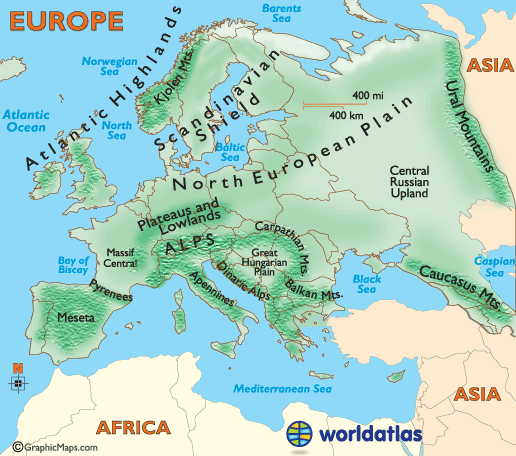
Week 6 lists European mountain systems:

1) Pyrenees. See the jagged piece of land that sticks out of France? See the bend at the corner of Spain? It's a pair of knees (Pyranees) of France and Spain.
2) Carpathian mountains. The Carpathian mountains Curve to look like a C.
3) Alps. No mnemonic here, just loud 'Sound of Music' singing in operatic voices.
4) Caucasus. See the Black Sea? And the Caspian Sea? That's a lot of water. You should caulk all your cases (Caucasus) up to prevent leaks.
5) Ural. The URAls divide EURope.


Tuesday, November 19, 2013

Classical Conversations Challenge Program in Action!


Classical Conversations Challenge B, Thomasville Community, experimented with the effects of temperature on reaction time.

Looks like fun! What were the results?


ShareThis